Amir Friedrich · 28 October 2026
Volunteer Garden Projects in Maelor Track Native Plant Recovery Trends
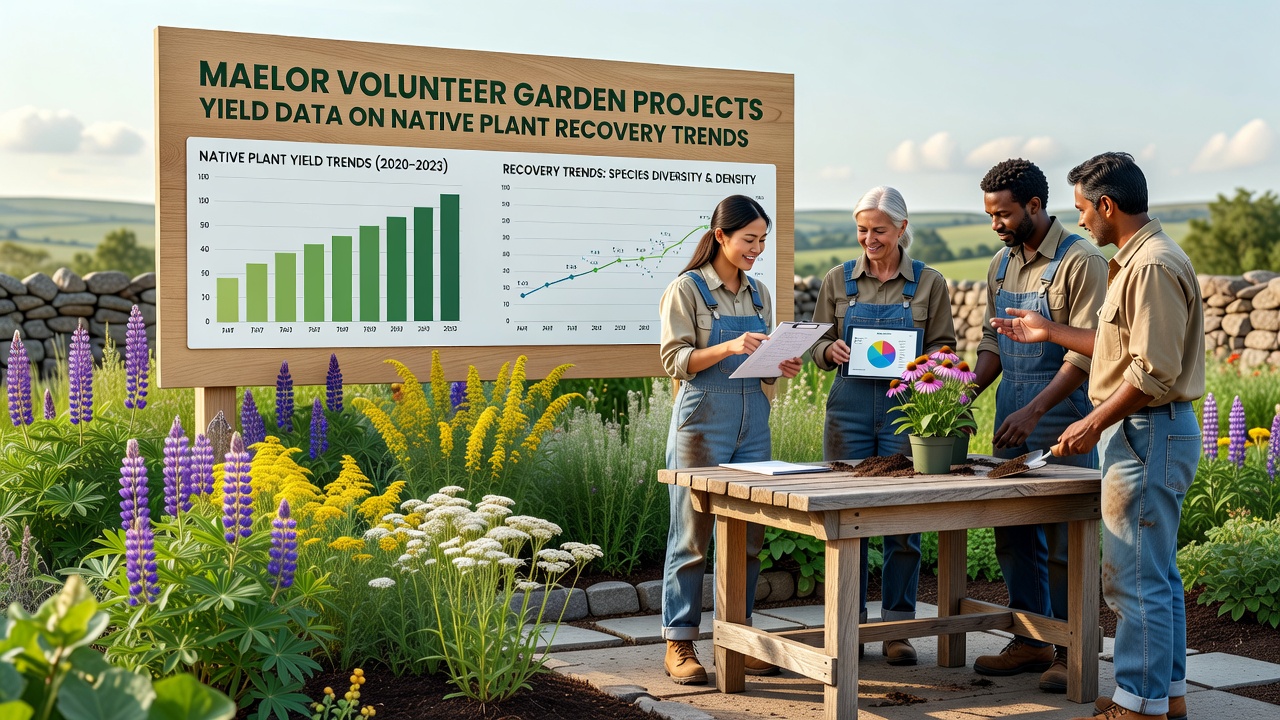
Volunteer garden projects across Maelor have generated consistent data sets on native plant recovery trends since their expansion in 2023, and these efforts continue to supply measurable results into October 2026. Local groups coordinate planting, monitoring, and soil assessment activities that focus on species such as wildflower mixes, hedgerow shrubs, and wetland grasses. The resulting records show gradual increases in coverage and diversity within participating sites, with data compiled through standardized observation protocols.
Project Structure and Data Collection Methods
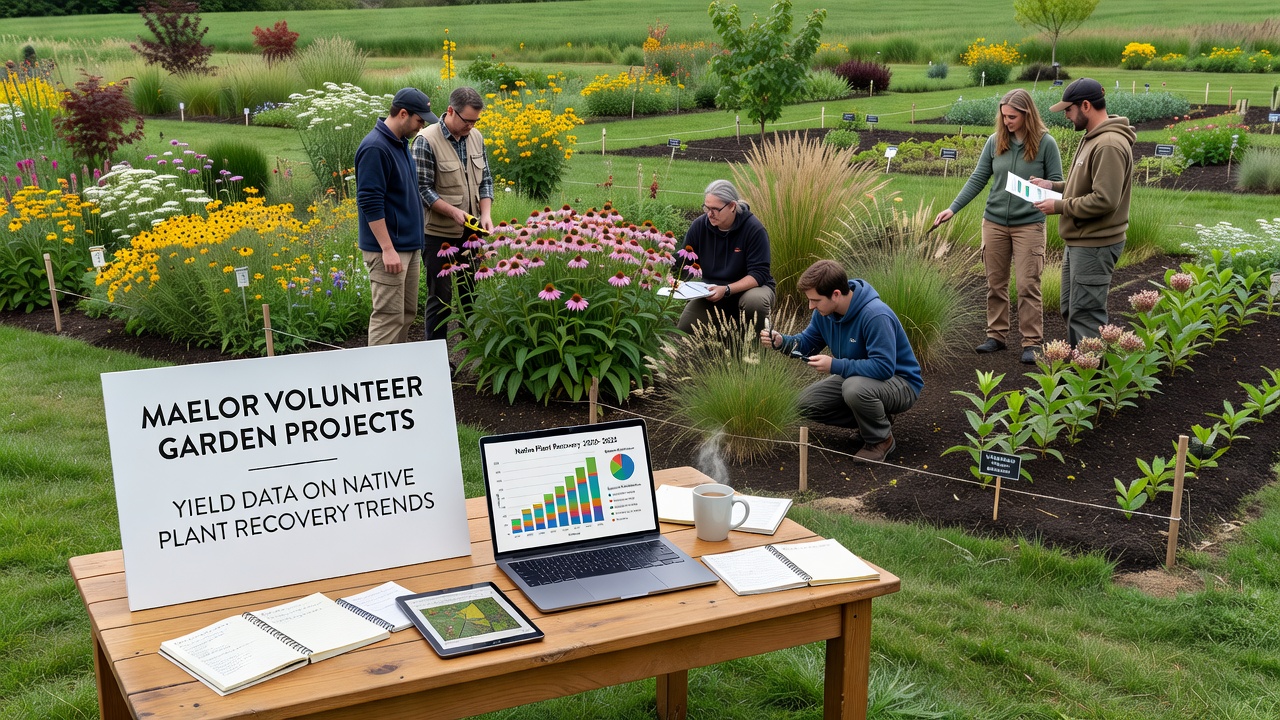
Participants divide sites into monitored plots where they record species presence, growth rates, and survival percentages on a quarterly basis. Soil samples undergo testing for nutrient levels and compaction, while pollinator counts supplement the botanical records. Groups upload findings to a shared regional database that allows cross-site comparisons. This approach produces time-series information rather than isolated snapshots, and it supports trend identification across different soil types and light conditions found throughout Maelor.
Training sessions ensure volunteers follow uniform recording techniques, and periodic audits by regional coordinators maintain data quality. Equipment includes simple quadrat frames, moisture meters, and identification guides tailored to local flora. The process emphasizes repeatable measurements that align with protocols used by established conservation programs in other areas.
Recovery Trends Observed Through 2026
Analysis of records from 2023 through October 2026 reveals steady expansion of native cover in established plots, with average increases of 18 to 24 percent in total ground coverage for key indicator species. Recovery rates appear higher in plots that received supplemental watering during dry spells in 2025, while sites with heavier clay soils showed slower initial establishment but comparable long-term gains once root systems developed. Diversity metrics indicate that plots containing at least five native species at the outset reached higher overall richness by the third year of monitoring.
Seasonal patterns emerge clearly in the data, with spring germination peaks followed by summer flowering periods that correlate with pollinator activity spikes. In October 2026, several sites reported successful seed set in species previously considered slow to establish, including certain orchid varieties and meadow grasses. These outcomes align with findings from comparable volunteer-led projects documented by the Australian Department of Climate Change, Energy, the Environment and Water, where similar multi-year tracking demonstrated cumulative benefits from repeated community interventions.
Comparative Insights and External Benchmarks
Researchers have cross-referenced Maelor results with national vegetation surveys conducted by the Natural Resources Canada forestry service, noting that recovery timelines in temperate European conditions sometimes proceed faster than those observed in northern boreal restoration zones. Soil amendment practices used in Maelor, such as incorporation of locally sourced leaf mold, correspond to techniques that Canadian studies associate with improved microbial activity and subsequent plant vigor.
Weather records integrated into the database help isolate climatic influences on recovery. The 2024 growing season featured above-average rainfall that boosted early establishment across multiple sites, whereas the drier intervals of 2025 required targeted irrigation that volunteers tracked separately. These contextual details allow analysts to distinguish management effects from environmental variables when evaluating overall trends.
Community Involvement and Ongoing Monitoring
Participation numbers have remained stable, with new volunteers joining each season to replace those who move on. Schools in the area incorporate plot visits into environmental education modules, and students contribute to data collection under supervision. This continuity supports the accumulation of multi-year records that single-season studies cannot provide.
Equipment upgrades planned for late 2026 include digital sensors for continuous moisture tracking, which groups expect will refine irrigation recommendations. Existing paper-based logs will transition to a mobile application interface that reduces transcription errors while preserving the volunteer-driven character of the projects.
Conclusion
The accumulated data from Maelor volunteer garden projects supplies a localized record of native plant recovery that complements broader regional assessments. Continued monitoring through October 2026 and beyond will extend these time series, allowing further evaluation of management practices and environmental influences on establishment success. The structured approach taken by participants ensures that findings remain comparable across sites and available for integration with external research efforts.