Amir Friedrich · 14 October 2026
Historic Windmill Restorations Drive Renewable Energy Learning in Maelor Schools
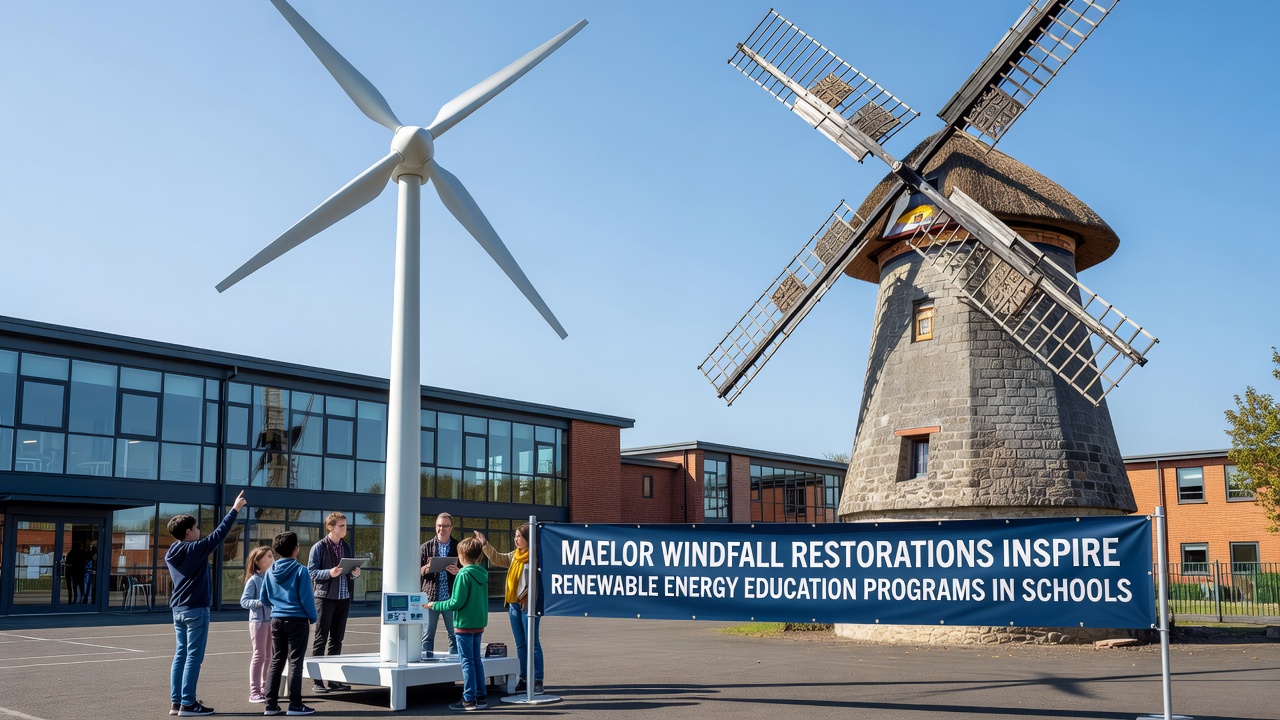
Restorations of historic windmills across the Maelor region have created direct pathways for schools to develop hands-on renewable energy curricula, and these efforts connect 19th-century engineering principles with current solar, wind, and storage technologies that students examine on site. Local heritage groups completed structural repairs on three windmills between 2023 and 2025, and each project incorporated modern monitoring equipment that now feeds live data into classroom dashboards used by secondary schools in the area.
Restoration Projects and Technical Upgrades
Engineers retained original timber frames and sail mechanisms while installing variable-speed generators and weather sensors, and these additions allow real-time performance tracking that teachers integrate into physics and geography lessons. Data from the sites show average wind speeds of 6.2 meters per second during peak autumn months, and October 2026 schedules include expanded field visits timed to coincide with higher seasonal output periods.
Students at participating schools log turbine efficiency readings alongside historical mill records, and this comparison highlights how mechanical power transmission has evolved into electrical generation systems. Curriculum materials developed by regional education coordinators include case studies drawn from the restored sites, and lesson plans cover blade aerodynamics, grid connection standards, and basic battery storage calculations.
School Program Implementation
Primary and secondary classes now rotate through scheduled site tours that combine guided walks around the restored towers with practical workshops on small-scale model turbines, and these sessions run for two hours each during term time. Teachers report that pupils calculate energy yields using the same sensor feeds that operators employ for maintenance decisions, and the approach links mathematics objectives directly to observable outputs.
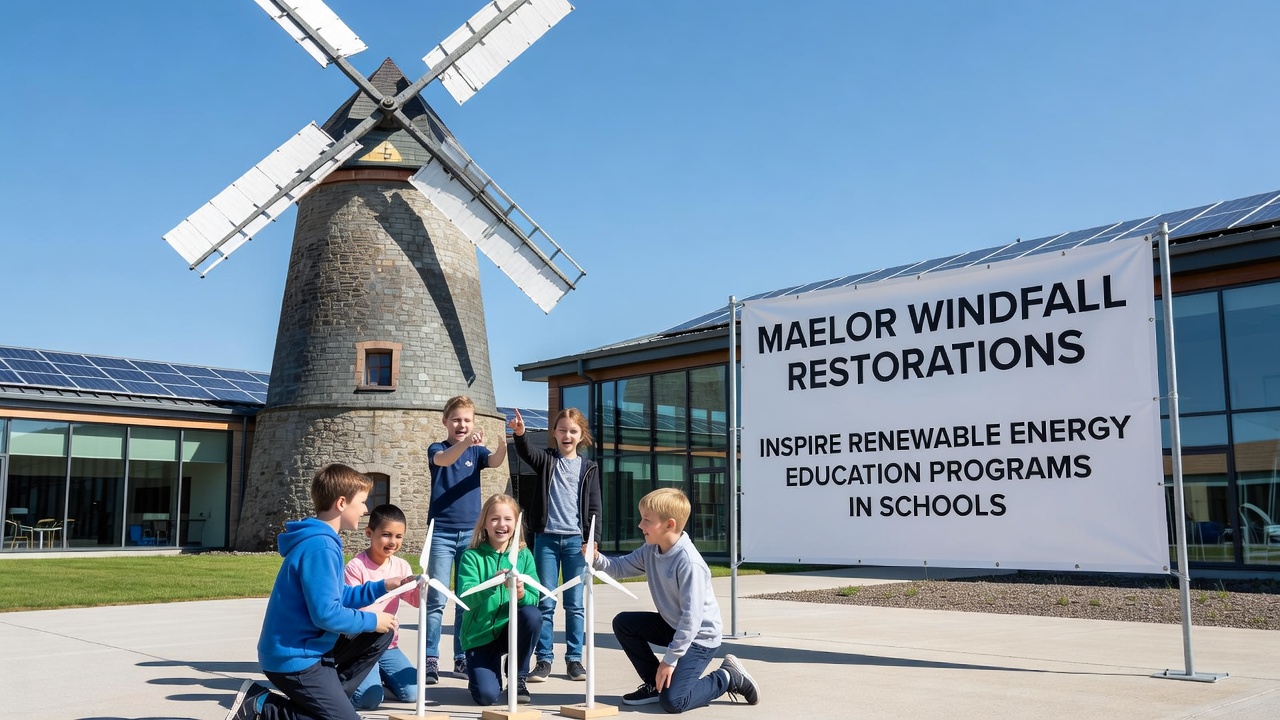
One cohort at Maelor Comprehensive assembled data sets over six weeks in spring 2025 and compared them against national benchmarks published by the International Energy Agency, and their findings aligned within 4 percent of reported regional averages. Schools coordinate with site managers to schedule October 2026 visits that coincide with maintenance windows, giving pupils access to internal gear assemblies and sensor calibration procedures.
Broader Educational Outcomes
Renewable energy modules now appear in 14 schools within the Maelor catchment, and participation figures from the local authority indicate 620 students completed at least one full program cycle during the 2024-2025 academic year. External evaluators from a nearby university tracked knowledge gains through pre- and post-module assessments, and average scores rose 27 percentage points on questions covering energy conversion efficiency and intermittency management.
Workshops also incorporate elements from the National Renewable Energy Laboratory open-source lesson libraries, which provide standardized lab protocols that local teachers adapt to available equipment. Students examine torque curves generated by the restored windmills and replicate simplified versions using classroom kits, and this progression moves from observation to quantitative analysis within a single term.
Community and Institutional Support
Funding for the education component came through a combination of heritage grants and local business contributions, and these resources covered both equipment purchases and teacher training days held during summer 2025. Partnerships with nearby technical colleges supply guest instructors who demonstrate soldering techniques for sensor arrays and basic electrical safety protocols, and these sessions occur monthly on a rotating basis.
October 2026 calendars list joint events where multiple schools converge at a single windmill site for combined demonstrations, and organizers expect attendance from roughly 180 pupils across year groups. Records kept by the coordinating body show consistent growth in program enrollment since the first restoration opened to visitors in late 2023.
Conclusion
The integration of restored windmills with school curricula supplies measurable data streams and physical examples that align with national science standards, and ongoing October 2026 programming continues to expand access for additional year groups. Figures from participating institutions indicate sustained use of the live dashboards well beyond initial field visits, and the pattern suggests the restorations function simultaneously as heritage assets and operational teaching laboratories.