Gisela Hughes · 16 September 2026
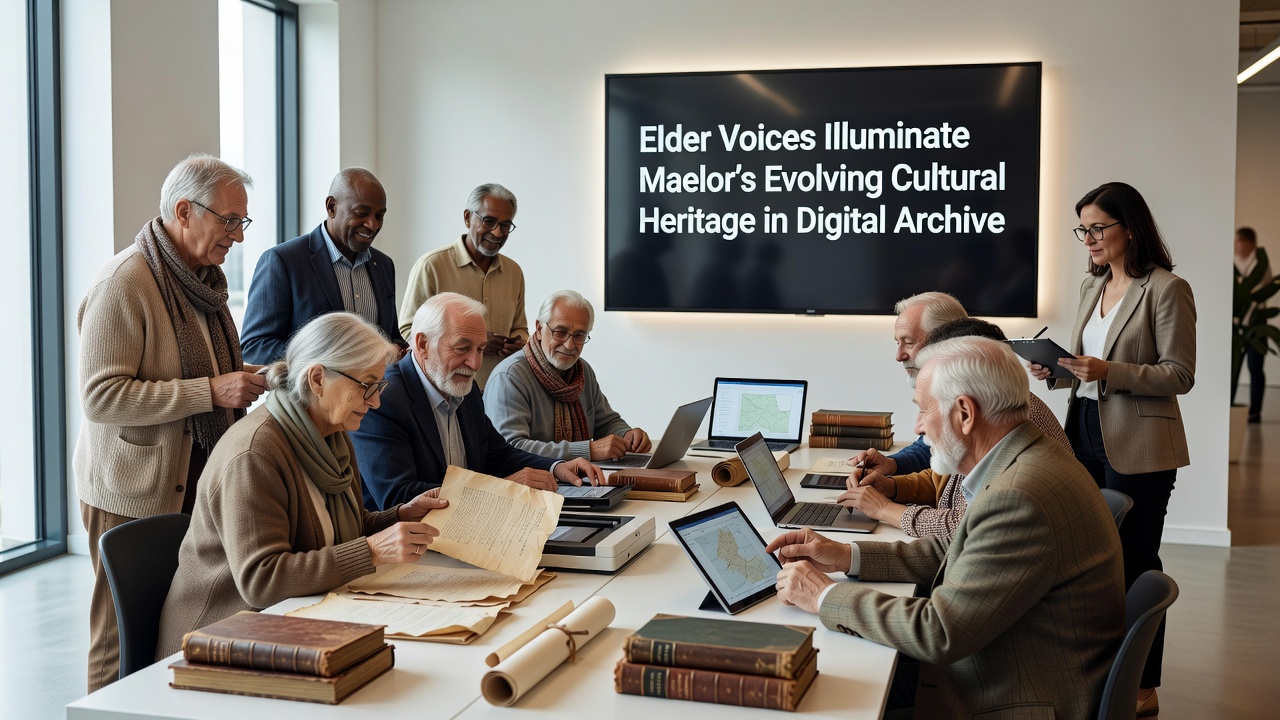
Elder Voices Illuminate Maelor's Evolving Cultural Heritage in Digital Archive
Communities across Maelor have long relied on spoken stories to pass down knowledge of local customs, land use, and family lineages, yet many of these accounts remained scattered until recent efforts consolidated them into a centralized digital collection that now draws on contributions from dozens of residents aged over seventy.
Building the Archive from Community Input
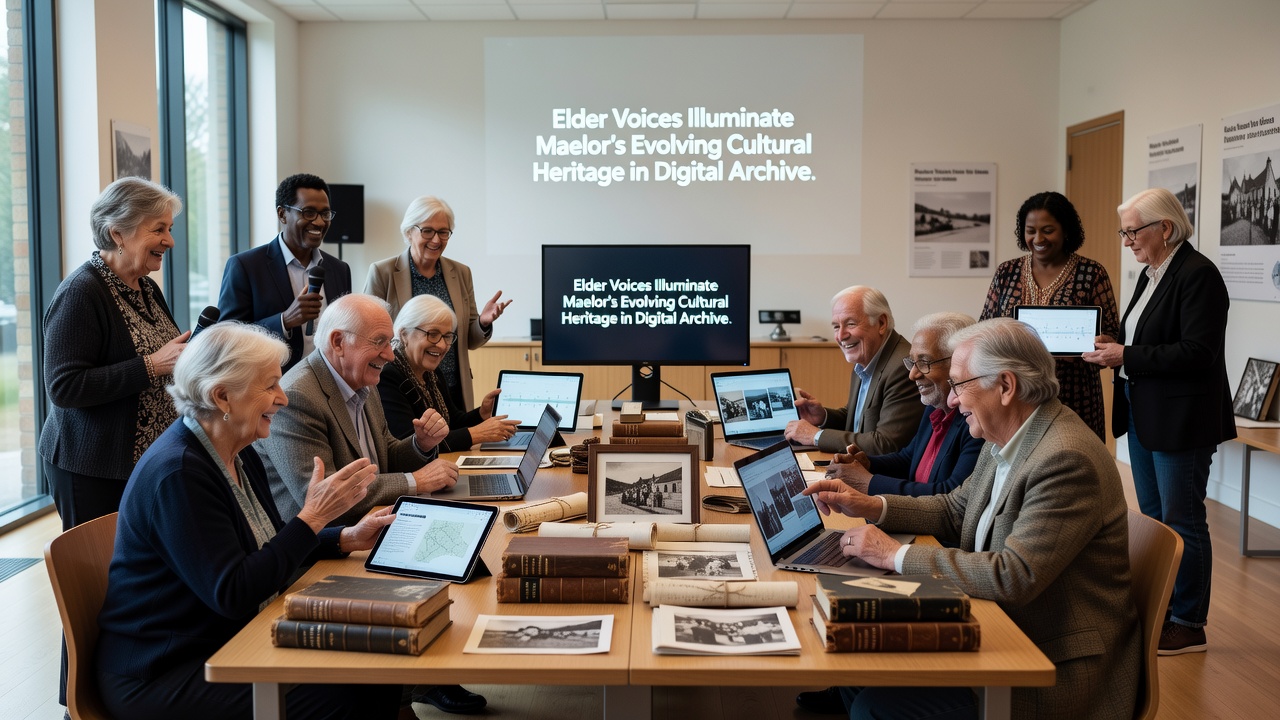
Researchers began the project by conducting structured interviews in community halls and private homes throughout the region, where participants described seasonal festivals, traditional crafts, and changes in the local landscape over six decades, and these recordings now form the core of searchable audio files accompanied by transcripts and photographs submitted by family members.
Teams from regional heritage groups coordinated with technical specialists to apply consistent metadata standards, ensuring each entry includes dates, locations, and thematic tags that allow users to cross-reference stories about farming practices with accounts of market fairs held in the same era.
September 2026 Milestone Approaches
Preparations continue for a public launch event scheduled in September 2026 that will open the full database to schools and libraries, while earlier pilot access has already enabled students to incorporate primary audio clips into local history assignments.
Archivists report steady growth in submissions, with new material arriving weekly from participants who recall specific details such as the layout of vanished footbridges or the ingredients used in long-discontinued recipes, and each addition undergoes verification against written parish records before inclusion.
What's interesting is how the archive connects isolated recollections into broader patterns, for instance linking multiple accounts of river flooding from the 1950s with maps that show how drainage systems have since evolved.
Technology Supporting Preservation Goals
Developers selected open-source platforms that support multilingual search and audio playback across common devices, allowing descendants living outside Maelor to explore the collection without specialized software, while built-in citation tools help educators reference specific segments in academic work.
Studies conducted by the University of British Columbia's Centre for Digital Media indicate that similar oral-history projects in rural Canada have increased community engagement by thirty percent when audio remains the primary format rather than text alone, and Maelor organizers have adopted comparable metrics to track usage after the September rollout.
Community Reach and Educational Applications
Local history societies now incorporate archive excerpts into walking tours and museum displays, where visitors hear elders describe the same sites they are viewing, and feedback from these sessions shows participants often identify previously unknown connections between neighboring villages.
One researcher who reviewed early data noted that younger residents frequently search for mentions of particular family names, which in turn prompts additional contributions from relatives who had not initially considered their stories relevant to the collection.
Future Expansion and Ongoing Verification
Plans call for integration with mapping software that will overlay story locations onto current satellite imagery, enabling users to trace how specific fields or buildings have changed since the mid-twentieth century, while partnerships with European heritage networks are under discussion to share best practices on long-term digital storage.
According to guidelines from Library and Archives Canada, regular audits of file integrity and format migration remain essential for collections of this type, and Maelor teams have scheduled quarterly reviews to maintain accessibility as technology standards advance.
Conclusion
The digital archive continues to grow through steady contributions that preserve spoken accounts alongside supporting documents, and the September 2026 launch will mark a significant step toward wider access for both residents and researchers interested in regional cultural continuity.